ServicesPre-Paint Prep
Pre-Paint Drywall Prep in Hempstead
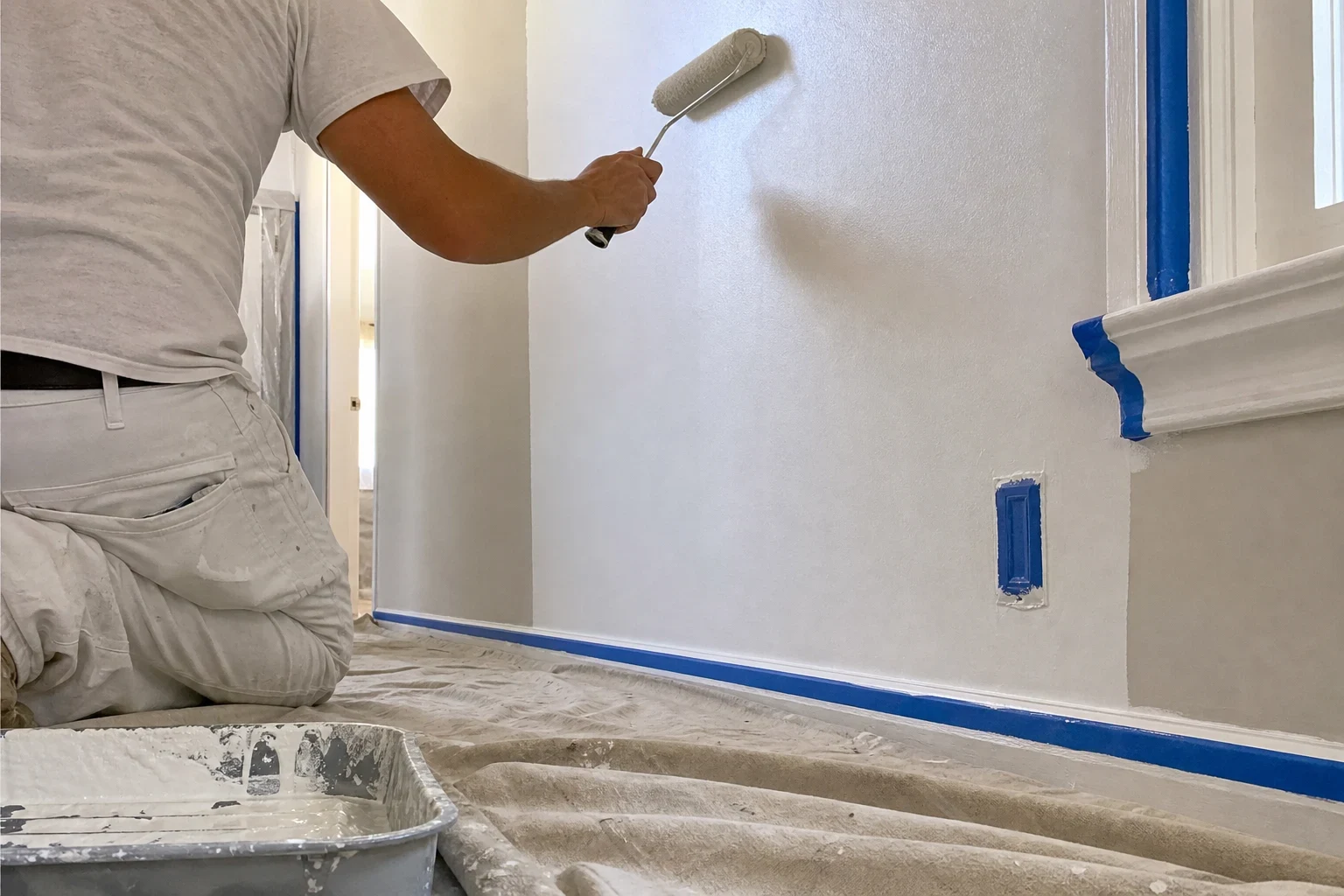
A new coat of paint shows every flaw underneath it. Before a room is painted, we repair the drywall, blend old patches, sand the surface flat and touch up our repaired areas, so whoever rolls the final coat starts on walls that are ready for it.
The work that happens before the paint
We are a drywall company, not a painting crew. Our part of a repaint is the surface: fixing what is damaged, finishing seams and patches, and sanding until the wall reads as one flat plane under light. You or your painter take it from there.
This matters most in older houses. Years of repaints build up ridges and drips, earlier repairs were often done with the wrong compound, and nail pops creep back as framing shrinks and shifts. Fresh paint, especially in an eggshell or satin sheen, makes all of it more visible, not less.
We start by walking the rooms with you under the light you actually live with, then explain which flaws will show through paint and which will not. You get a clear scope by phone before any work is scheduled.
What our pre-paint drywall work covers
- 01
Crack and seam repair
Cracks at corners, over doors and along taped seams are opened up, re-taped where the tape has let go, and finished with fresh compound so they do not telegraph back through the new paint.
- 02
Blending old patches
Previous owners' repairs often sit proud of the wall or show a different texture. We feather them out wide so the edge disappears once the room is painted.
- 03
Nail pops and dents
Popped fasteners are reset or replaced with screws, then spotted and sanded. Dings from furniture and door handles are filled at the same time.
- 04
Sanding and texture matching
We sand repaired areas flat and match the surrounding texture, whether the wall is smooth, lightly orange-peeled or carries the knockdown that was popular in later decades.
- 05
Spot priming and paint touch-up
Bare compound absorbs paint differently than the wall around it, which leaves dull patches called flashing. We seal our repairs and can do a paint touch-up on them when you have the existing color on hand.
- 06
A clean work area
Floors and furniture are covered, dust is kept to the room we are in, and we vacuum before we leave so the space is ready for painting.
Questions about Pre-Paint Prep?
Call(516) 604-5030Signs your walls need attention before they are painted
Patches you can see in raking light
If a lamp or a low sun picks out squares and ovals on the wall, paint will make them stand out more.
Cracks that came back
A crack that was caulked or painted over and returned needs proper taping. Another coat of paint will not hold it.
Bubbled or loose tape
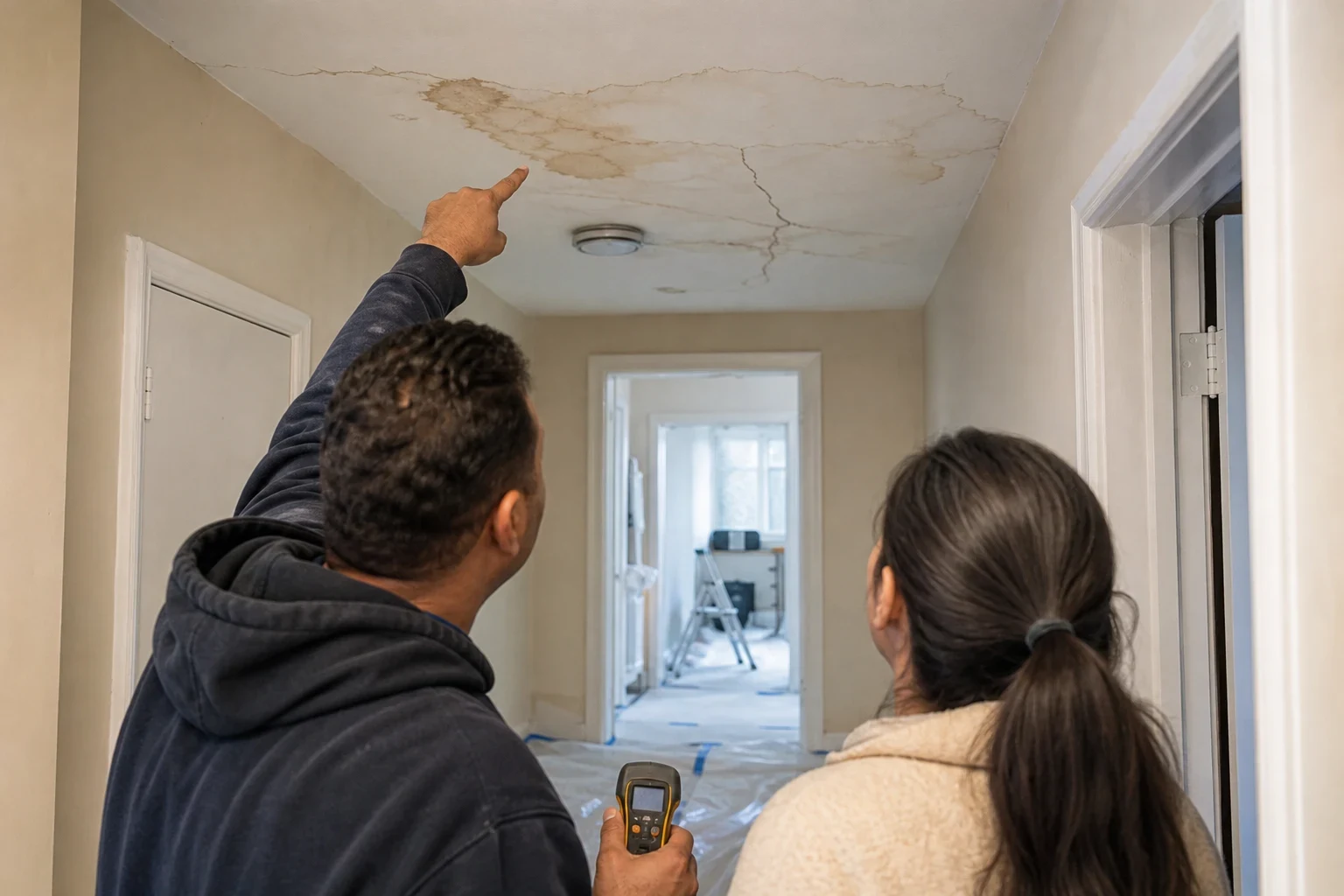
Seams with lifted paper tape, often near bathrooms or under old leaks, have to be cut out and redone first.
Rough, layered surfaces
Decades of brush marks, drips and sags build into a bumpy finish that needs sanding before a new color goes on.
Rows of nail heads
Small circles lined up along the studs are nail pops. They are common in older drywall and simple to fix while the room is empty.
How a prep job runs
- 1
Walk-through and scope
We look at each wall with you, mark the problems and note the existing texture and sheen. You get your quote by phone with the work spelled out room by room.
- 2
Protect the room
We lay drop cloths, cover what stays in place and seal doorways where sanding dust could travel through your home.
- 3
Repair and finish
Damage is cut back to sound material, taped and coated. Most repairs need two or three thin coats with drying time between, so many jobs run over more than one visit.
- 4
Sand, check and seal
Each repair is sanded and checked with a work light from a low angle, then sealed and touched up where agreed. The walls are left clean and ready for the painter.
What shapes the cost of pre-paint prep
Prep is priced on how much needs fixing, not on square footage of paint. Two rooms the same size can be very different jobs. Once we have seen the walls, you will hear the scope and the price before anything is scheduled.
- Number and size of repairs
- A handful of nail pops is quick. Long cracks, failed tape runs and large old patches take more coats and more drying time.
- Condition of earlier work
- Older repairs done with heavy compound or patching plaster can need grinding down before they will blend.
- Texture and sheen
- Matching an existing texture takes longer than smooth wall, and higher-sheen paints call for a flatter, more carefully sanded surface.
- Ceilings and access
- Ceiling seams, stairwells and tall walls need ladders or staging and slow the work down. If the ceiling needs more than prep, see our ceiling repair page.
Questions about drywall prep and painting
Do you paint the whole room?
No. Our work is the drywall: repairs, finishing, sanding and sealing, plus paint touch-ups on the areas we fix. Full-room painting is done by you or the painter you hire, and we can schedule our prep around their start date.
Why not just let the painter fill the holes?
Most painters handle small nail holes well. Cracks that keep returning, failed tape, wide patches and texture matching are drywall finishing work, and they need multiple coats with drying time that does not fit a painting schedule.
How long before the walls can be painted?
Once our last coat is sanded and sealed, the walls are ready. In humid summer weather compound dries more slowly, so we plan the visits with that in mind and tell you when to book the painter.
Will the old patches really disappear?
In most cases, yes. We feather repairs wide and check them under a low work light, which shows flaws more harshly than everyday room lighting does. If an older wall has a problem paint will always show, we tell you before we start.
How much dust should I expect?
Some, since sanding is part of the job. We cover floors and furnishings, close off doorways and clean up at the end of each visit, so the dust stays in the room we are working in.
Get the walls right before the color goes on
Tell us which rooms you are repainting and what you are seeing on the walls. We will set up a walk-through and give you a clear scope for the prep.