ServicesWall Repair
Wall Repair in Hempstead
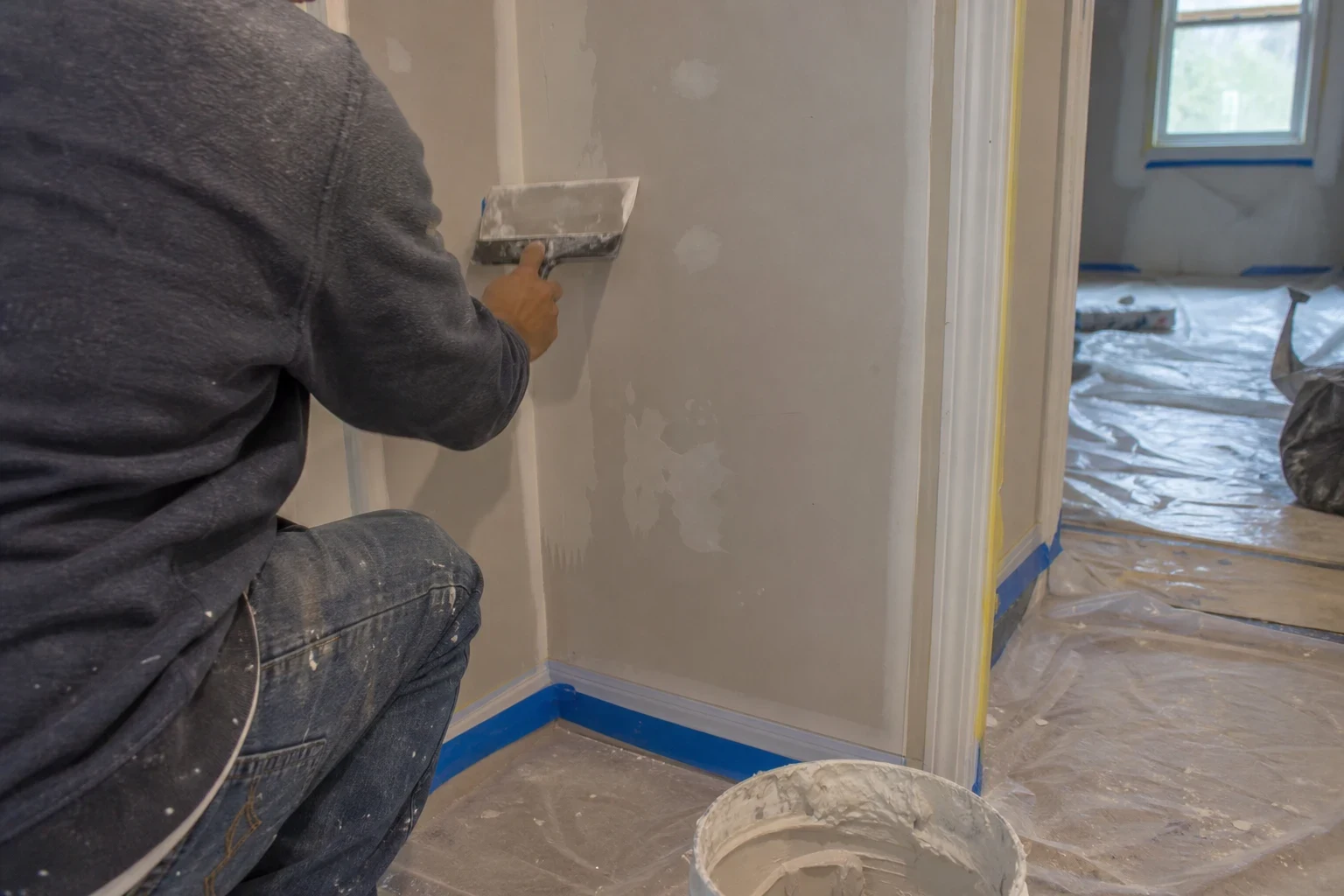
We repair cracked plaster, dented drywall, loose corners and the patches someone made years ago that never quite blended. We find out why the wall failed, fix that first, then finish the surface so it is ready for paint and hard to spot.
Repairing the wall, not just the mark on it
Wall repair is the right call when the problem is bigger than a single hole. A crack that keeps coming back, plaster that sounds hollow when you tap it, a bulge near a window, or a corner that has been chipped and patched more than once. These usually have a cause behind them, and a quick skim of compound only hides it for a season.
Many walls around here are older than they look. Prewar houses often have plaster over wood or metal lath, and postwar homes may have early drywall, plaster veneer or a mix of both after decades of renovations. Each one takes a different repair, so we start by working out what your wall is actually made of.
If the damage is a clean hole in standard drywall, our drywall patching page may be the better fit. For walls with history, this is where we begin.
What our wall repair covers
Cracked plaster
We open the crack slightly, secure the plaster on either side, and bridge it with mesh tape and setting compound. Filling a crack without anchoring the edges is why so many come back.
Loose or hollow plaster
When plaster has let go of the lath, we reattach it with plaster washers and screws before any finishing. Sections too far gone are cut out and filled with board shimmed to the old wall thickness.
Damaged corners and edges
Dented or rusted corner bead is replaced, and outside corners are rebuilt straight and true so they take a bump without crumbling.
Correcting old repairs
Raised patches, visible tape lines and outlines that show through paint get ground down, refilled and feathered wide so the halo disappears.
Texture matching
Smooth, sand-finish and light skip textures are matched by hand so the repaired area reads like the rest of the wall.
Ready for paint
We leave the repair primed and sanded. If you want the color blended in too, our paint touch-up service can finish the job.
Signs your wall needs more than a dab of spackle
Cracks that return
If a crack has been filled before and reopened in the same line, the surface is moving and needs to be secured.
A hollow sound
Tap the wall with a knuckle. A dull, drummy sound in one area often means the plaster has separated from the lath behind it.
Bulging or bowing
A wall that bellies out, even slightly, usually has loose material behind the paint that will eventually fall.
Patch outlines under paint
A square or round ghost that shows in raking light is an old repair that was never feathered properly.
Stains with soft spots
Brown rings or crumbly areas after a past leak mean the surface has been weakened. Once the source is fixed, we can rebuild the damaged section.
How a wall repair day runs
- 1
A close look first
We tap, press and look at the wall under a work light to map the damage and identify plaster, drywall or a combination. You hear plainly what we found and what we recommend.
- 2
Protecting the room
Floors are covered, furniture is moved or wrapped, and we seal off the area with plastic so dust stays in a clean work area.
- 3
Stabilize and rebuild
Loose material is reattached or removed, cracks are taped, and missing sections are filled to the correct depth. Setting compounds are used where strength matters and drying time is tight.
- 4
Finish and texture
We apply finish coats in thin layers, sand between them, and match the surrounding texture. Larger repairs can take more than one visit so each coat cures properly.
- 5
Cleanup
Dust is vacuumed, plastic comes down, and the room is put back the way we found it.
What moves the price of wall repair
Wall repair is priced by the work the wall actually needs, which is why we look before we quote. Two cracks the same length can be very different jobs depending on what is behind them. We explain each part of the price so nothing arrives as a surprise.
- Plaster or drywall
- Plaster over lath takes more steps to secure and build up than standard drywall, and it usually needs more drying time between coats.
- Size and spread
- One crack is quicker than a wall of them. Damage that runs into ceilings or corners adds time.
- What is underneath
- Loose lath, failed earlier patches or soft, water-damaged material all have to be dealt with before finishing can start.
- Texture and finish level
- A smooth wall in strong window light needs more careful finishing than a lightly textured hallway.
Wall repair questions
Something not covered here? (516) 604-5030
Do you repair real plaster walls or just drywall?
Both. Plaster is common in older houses, and we repair it in a way that suits it, securing loose areas and using compounds that bond well to old surfaces. We only replace sections with board when the plaster cannot be saved.
Why does the crack above my door keep coming back?
Door and window corners are where walls flex the most, so a crack filled with plain compound tends to reopen. We tape across it with mesh and setting compound and anchor the plaster around it, which gives it a much better chance of staying closed.
Can you fix a patch someone else did badly?
Yes, and it is one of the most common jobs we see. We grind down the raised edges, refill and feather the repair out wide, then match the texture so it stops showing through the paint.
Will the repair be dusty?
Sanding does make fine dust, so we seal off the work area with plastic, cover floors and furniture, and vacuum before we leave. Most of the mess stays inside the space we have taped off.
How do I get a quote?
Give us a call and describe what you are seeing. We will ask a few questions, arrange a time to look at the wall, and then give you a clear price for the repair.
Let's look at that wall together
Tell us about the crack, the bulge or the patch that never blended. We will talk it through by phone and set a time to see it in person.