ServicesPaint Touch-Ups
Paint Touch-Ups in Hempstead
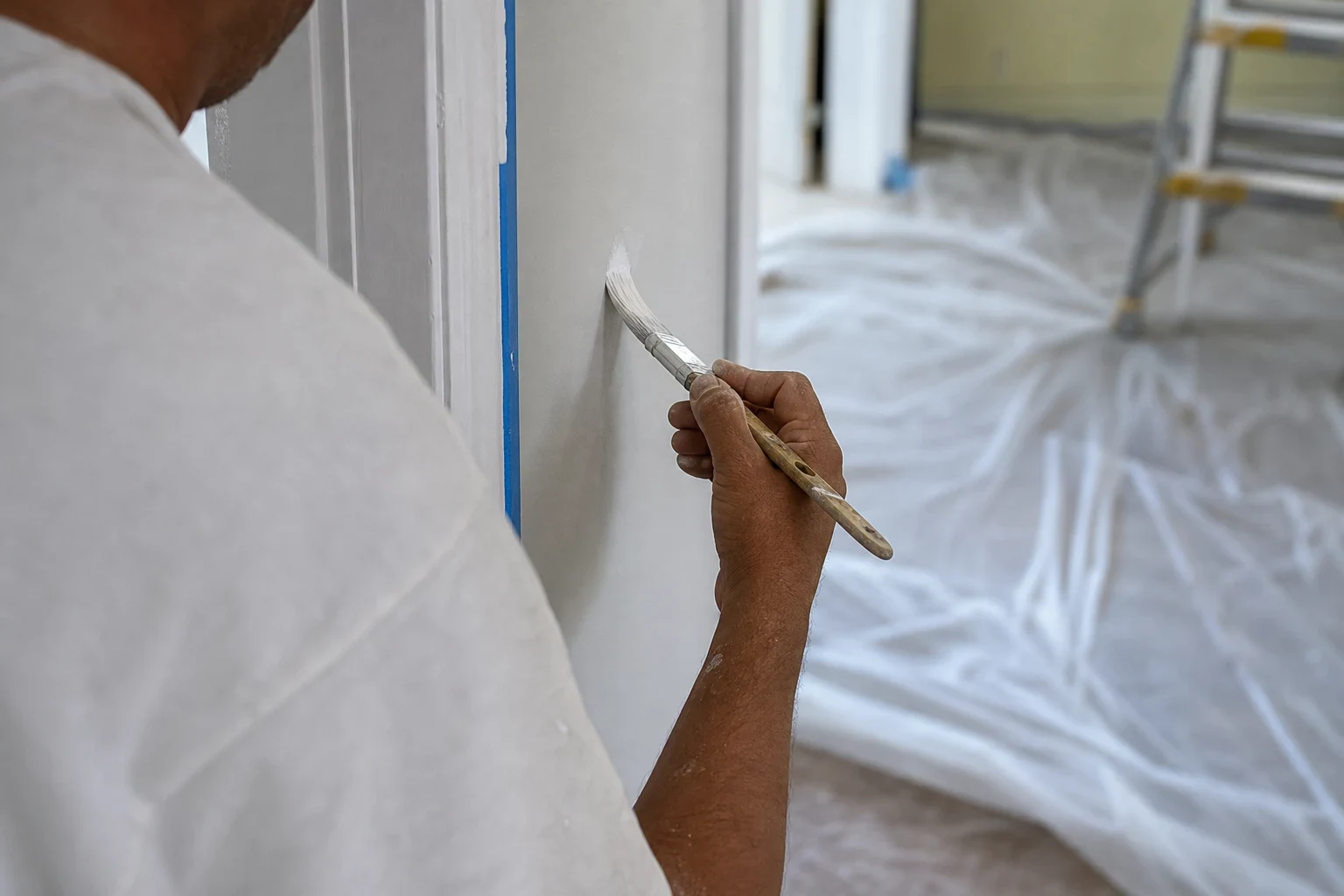
After a patch or repair, the paint is what everyone sees. We match the color and sheen of your existing walls and ceilings, feather the edges so the repair fades into the surface, and leave a clean work area behind. Older paint layers get checked before we open a can.
When a touch-up is the right call
A paint touch-up covers a small area so it blends with the wall around it. It is the last step after drywall patching or repair, and it also handles scuffs, nail holes and marks left by furniture or a move. Done well, you stop noticing the spot. Done poorly, you get a square that looks newer, shinier or a shade off from everything else.
Older houses make this harder than it looks. Walls may carry several coats from different decades, sometimes oil-based paint under latex, and the original color name is usually long gone. Paint also fades and yellows with age, so even the leftover can in the basement may no longer match. We start by finding out what is actually on the wall.
If the wall has faded unevenly or the damage covers most of a surface, a touch-up may not blend. We will tell you that plainly before any work starts, so you are not paying for a patch that still shows.
What our touch-up work includes
- 01
Color matching from your wall
We take a small sample or read the existing finish directly rather than trusting an old label. Faded and yellowed paint is matched to how it looks today, not how it looked when it was new.
- 02
Sheen matching
A flat ceiling and an eggshell hallway reflect light very differently. Getting the sheen right matters as much as the color, especially on walls that catch light from a window.
- 03
Checking the old paint
We test whether the existing coat is oil or latex before we apply anything. Latex over glossy oil paint can peel, so a bonding primer goes down first when it is needed.
- 04
Feathered edges
Paint is worked out past the repair and thinned at the edges with a roller or brush, depending on the original application. That avoids the hard outline that gives a touch-up away.
- 05
Protection and cleanup
Floors and nearby furniture are covered, and trim is taped where needed. When we leave, the drop cloths, tape and dust leave with us.
Questions about Paint Touch-Ups?
Call(516) 604-5030Signs your walls need a touch-up
A patch you can still see
The repair is smooth, but bare compound or primer shows as a lighter or flatter spot.
Earlier touch-ups that flash
Past repairs look shinier or duller than the wall when light hits them from the side. This is common in older homes where someone used whatever paint was on hand.
Scuffs and nail holes after a move
Furniture marks, picture holes and corner dings add up, and a tenant or buyer will notice them.
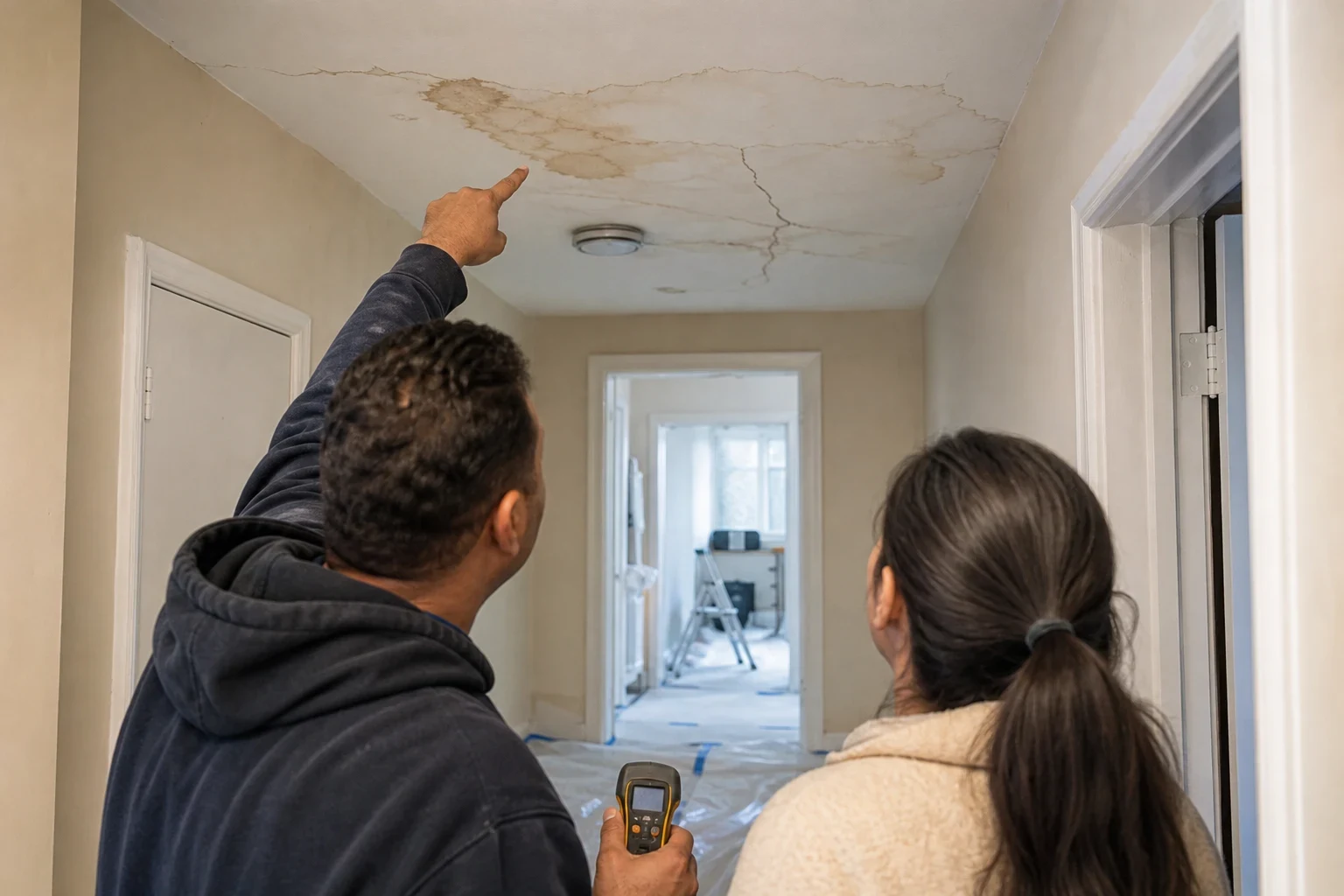
Small marks on a ceiling
Ceilings are usually flat white that has dulled over the years. A bright new spot stands out more than you would expect.
Peeling over an old repair
Paint lifting at the edge of a patch often means it was applied over glossy oil paint without primer. It needs to come off and be redone properly.
How a touch-up visit runs
- 1
Look and talk it over
We look at the area, the light in the room and the condition of the surrounding paint. You hear whether a touch-up will blend or whether a larger section makes more sense.
- 2
Prepare the surface
Dust is wiped off, rough edges are lightly sanded, and bare compound is primed so it does not absorb paint unevenly. Larger prep is covered on our Surface Preparation and Sanding page. If your home was built before 1978, we raise the question of lead in older layers before any sanding.
- 3
Match and apply
The matched paint goes on in thin coats, feathered past the repair, using a tool that copies the original roller or brush texture.
- 4
Check in daylight and clean up
Once dry, we look at the area from several angles and in natural light. Then the room is cleaned and put back the way we found it.
What affects the cost of a touch-up
Touch-up work is priced by the job, not by the gallon. The time goes into matching, prep and drying between coats more than into the painting itself. We explain each part when you get your quote by phone.
- Number and size of spots
- A few nail holes in one room take far less time than repairs spread across several rooms and a stairwell.
- Matching difficulty
- Faded, yellowed or custom colors take more work to match than a standard white. Unknown sheens may need a test patch first.
- Condition of the old paint
- Oil-based layers, peeling edges or chalky surfaces add priming and prep steps before the touch-up can hold.
- Ceilings and height
- High ceilings and stairwells need ladders or staging, and overhead work goes more slowly than walls at eye level.
Paint touch-up questions
Can you match paint if I do not have the original can?
Usually, yes. We match from the wall itself, which is often more accurate anyway because paint fades over time. If the color is unusual, we may do a small test area first so you can see it before we commit.
Will the touch-up be invisible?
On most walls it blends so you will not notice it in normal use. Very glossy finishes and walls with strong side light are harder, and we will tell you up front if we think a spot may still show. In those cases, painting the full section from corner to corner is sometimes the better answer.
Why does my old touch-up look shiny?
Most likely the sheen did not match, or new paint went over unprimed compound. Fresh paint on a patch can also dry glossier than an aged wall. We correct it by priming and reapplying with the right sheen.
Do you do touch-ups after your own drywall repairs?
Yes. Touch-ups are the usual final step after our drywall repair, drywall patching and ceiling repair work, so the repaired area is finished rather than left as bare compound.
What about lead paint in an older house?
Homes built before 1978 may have lead in older paint layers. We bring this up before any sanding so you can decide on testing. Touching up over intact paint without sanding avoids disturbing those layers.
Finish the repair properly
Tell us what you are looking at and how big the area is. We will talk through matching, prep and what to expect on the day.